Authorities are responding to a dangerous, fast-moving shift in seasonal weather patterns across several regional corridors, where shifting fire danger levels have triggered active safety warnings. Emergency response personnel and local forestry dispatch units are closely monitoring regional conditions as a mix of rising temperatures, declining relative humidity, and high surface winds compound the threat. News of the sudden climate volatility has prompted heightened anxiety across vulnerable wildland-urban interfaces and rural residential blocks, reflecting the deep concern residents feel for the safety of their properties.
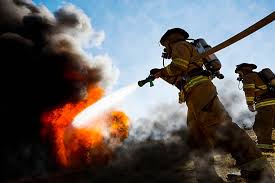
According to the latest dataset from the National Interagency Fire Center, the National Fire Danger Rating System maps indicate a patchwork of risk categories stretching across active containment zones. Emergency dispatchers have updated regional threat indicators to reflect localized vulnerabilities, noting that fine dead fuels are drying out rapidly in areas experiencing persistent drought conditions. Witnesses in active wildland sectors describe an intense environmental setup where any accidental spark or lightning strike has the potential to escape initial suppression efforts and quickly develop erratic, high-intensity fire behavior.
Those closest to high-risk zones recall the devastating speed with which uncontained blazes can compromise local evacuation routes, making real-time tracking of red flag warnings a critical daily necessity. Whether through clearing defensible space around their homes or establishing early-stage communication trees with neighbors, the sincerity and genuine care for community safety displayed by local property owners have been on full display. Incident commanders have deployed automated weather stations across mountain gaps to ensure all avenues of the wind-driven threat are comprehensively addressed before critical containment lines are breached.
Across the affected states, messages of solidarity and support are being actively shared on emergency networks as fire crews position specialized heavy equipment ahead of the peak afternoon burn window. Many have taken time to reflect on the vital importance of strict outdoor burning bans, spark-safety compliance during agricultural work, and real-time mobile safety alerts during high-risk weather alerts. The collaborative effort between municipal fire forces and state forestry departments continues to serve as a critical defense against sudden catastrophic structural losses.
While details surrounding specific local brush fire starts and localized dispatch logs remain fluid, the immediate focus for many remains on monitoring the official wildfire danger maps to mitigate accidental ignitions. Fire patrols will remain deployed along remote access roads through the late hours to handle quick-response containment and maintain a visible presence to reassure nervous rural communities. The local suppression crews and meteorological teams will be remembered for their exceptional vigilance, clear communication, and the positive influence their tireless efforts provide to the natural landscapes they protect.